
Many people feel more confident when they cover their pimples, but the wrong makeup habits can irritate the skin or block pores. The good news is that makeup for acne prone skin can be simple and gentle. This guide explains how to prepare your skin, choose light products, apply them carefully, remove them properly at night and when to see a skin specialist in Phnom Penh.
Can You Wear Makeup if You Have Acne?
Yes, you can. Wearing makeup does not automatically cause acne, and covering pimples can help your confidence. What matters is how heavy the products are, how long they stay on the skin and how well they are removed.
In a hot, humid city like Phnom Penh, makeup mixes with sweat, oil and dust throughout the day. Thick layers can sit on the pores for hours, so the aim is to use less and clean it off carefully. Choosing makeup for acne prone skin is mostly about being light, gentle and consistent.
It also helps to decide when you really need full coverage. For a quiet day at home, skipping makeup gives your skin a rest. For work, a party or a photo, a light layer is usually enough. Using makeup for acne prone skin only when you need it keeps the pores freer.
Prepare Your Skin Before Makeup
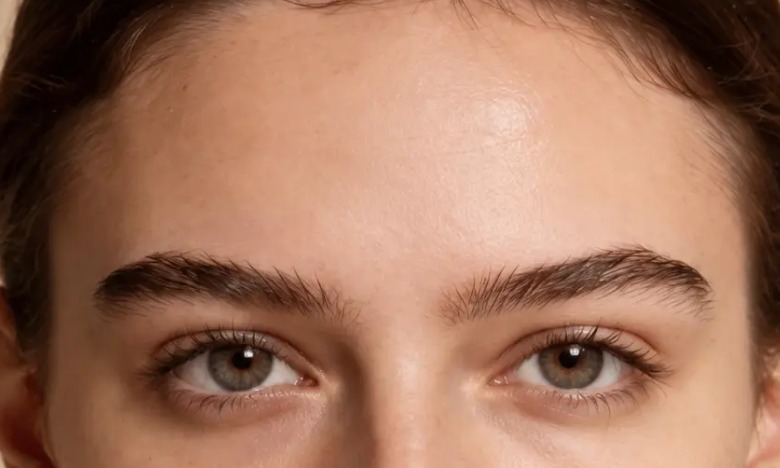
Good makeup starts with calm skin. Cleanse your face gently, then apply a light moisturizer and wait a few minutes until it settles. In the morning, add sunscreen, because daily protection helps marks fade evenly.
Skin that is dry or tight tends to look patchy under makeup, while skin that is overloaded with products can look shiny and heavy. A short, gentle base routine usually gives the smoothest result. Our skincare routine for hot and humid weather has more ideas for the first steps.
Do not apply makeup over a freshly squeezed or very irritated pimple. If the skin is broken, it is wiser to let it heal first. Applying makeup for acne prone skin on top of an open spot can sting and may delay healing.
How to Choose Makeup for Acne Prone Skin
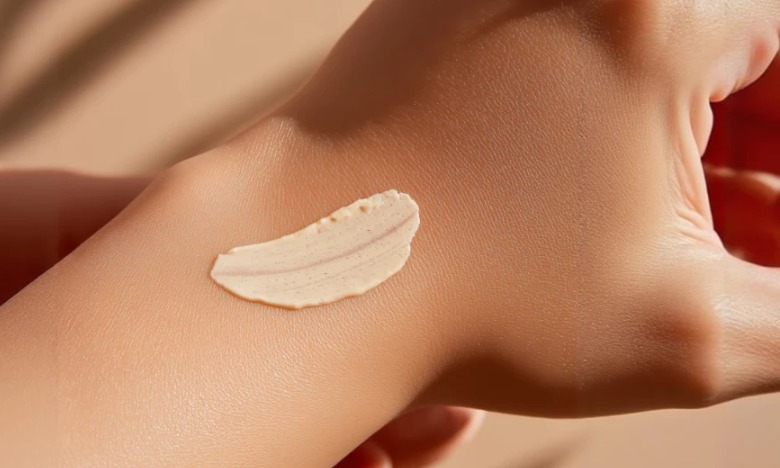
When choosing makeup for acne prone skin, look for light textures that feel comfortable and do not leave a greasy film. Products that are labelled as suitable for acne prone or sensitive skin are a sensible place to start, although a label is not a promise, and every skin reacts differently.
Keep it light
Choose thin layers rather than thick coverage. A small amount can be built up only where it is needed.
Avoid heavy products on red areas
Red, swollen pimples are already irritated. Pressing thick products onto them can feel uncomfortable. Our guide to inflammatory acne explains how to care for these pimples.
Test new products slowly
Try one new product at a time on a small area. If your skin feels itchy, hot or sore, stop using it.
Colour matching matters too. Test shades along the jawline in natural light, because a shade that is too dark or too light draws more attention to the area you are trying to cover. Lighter coverage that matches your skin often looks more natural than a heavy layer.
Apply Makeup Gently and Keep Tools Clean
Use clean fingers, a clean sponge or a clean brush, and press the product onto the skin instead of rubbing. Rubbing can irritate pimples and spread bacteria.
Wash brushes and sponges regularly, because they collect oil, sweat and old product. Do not share them with others. If you touch up during the day, blot the oil first, then add only a small amount. Try not to pick at pimples while you are wearing makeup, since picking can leave marks.

Remove Makeup Properly Every Night
Removing makeup well is the most important step when you use makeup for acne prone skin. Residue left on the skin overnight can block pores and irritate skin that is trying to heal. Begin with a gentle makeup remover, then wash with a mild cleanser and lukewarm water.
Pat the skin dry, then apply a light moisturizer. Even when you feel tired, taking a few minutes to remove makeup protects your skin. Avoid scrubbing hard, because rough handling does more harm than good.
After sports, a long commute or a very hot day, remove makeup earlier if you can. Sweat can move makeup into the pores, and waiting many hours makes removal harder. A short evening routine you can repeat is better than a long one you skip. This habit supports any makeup for acne prone skin.
When Should You See a Skin Specialist?
Makeup can hide pimples for a while, but it does not treat them. It is worth seeking advice when you feel you need makeup to cover your skin every day, when pimples are painful or deep, or when marks are appearing.
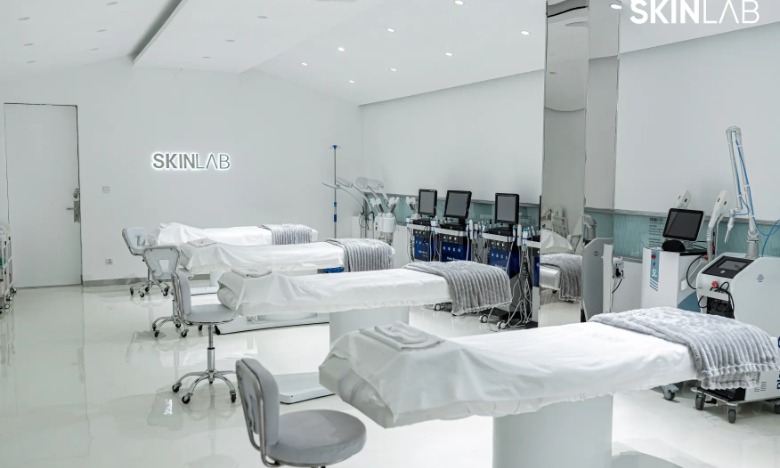
At SkinLab in Phnom Penh, the team examines your skin, explains what they see and suggests a gentle plan in plain language. Results differ from person to person, so the plan is kept realistic. You can read our guide to acne treatment to see how a visit works, or read about oily skin and acne if shine is your main concern.
Bring the products you use to your visit if you like. Seeing your makeup and routine helps the team understand your skin and give advice that fits your life.
Frequently Asked Questions About Makeup for Acne Prone Skin
Does makeup cause acne?
Not by itself. Heavy products that stay on the skin for many hours, or are not removed well, can contribute to blocked pores.
Should I skip makeup completely?
Not necessarily. Many people feel better with light makeup for acne prone skin. Choose thin layers and remove them carefully every night.
How often should I wash makeup brushes?
Regular washing helps. Many people wash them every week or two, depending on how often they use them.
Can I wear makeup on a very sore pimple?
If the skin is open, red or sore, it is kinder to leave it bare or use only a very light layer and ask a specialist for advice.
Enjoy Makeup Without Harming Your Skin
Makeup for acne prone skin should be light, gentle and removed every night. With a calm base, clean tools and patience, you can feel confident while your skin heals.
Message SkinLab on Messenger or Telegram, or call our hotline, and our team will assess your skin and suggest a plan that fits.