
Acne comes in several distinct types – inflammatory, clogged-pore (comedonal), cystic, or teenage hormonal acne – and each needs a different approach. Cambodia’s hot, humid climate makes skin more prone to excess oil and clogged pores, so correctly identifying which type of acne you actually have is the single most important step before starting any treatment.
Why is skin in Cambodia more prone to Breakouts?
Year-round heat and humidity keep oil glands more active, and Phnom Penh’s urban pollution adds fine particles that clog pores alongside that excess oil. This is a local environmental factor that most generic acne guides never mention — yet it directly affects which products and how often you should be cleansing your skin in this climate. If you’re unsure where to start, an in-depth skin consultation can map out your skin’s exact condition first.
Common Acne types – Which one do you have?
Not all breakouts are the same, and treating the wrong type the wrong way is how most people waste time and money.
Inflammatory Acne (Red, Swollen)
This is mild to moderate acne, showing up as red, swollen bumps, sometimes with visible pus. Treating it properly at this stage helps prevent it from progressing further.
Clogged Pores & Blackheads (Not Yet Inflamed)
This happens when pores get blocked by oil and dead skin cells but haven’t become visibly inflamed yet. It’s easy to overlook because it doesn’t cause much discomfort, but left untreated it can progress into inflammatory acne.
Cystic Acne – Needs Medical Intervention
This is severe acne sitting deep under the skin, with a high risk of scarring if picked at or treated incorrectly. Cystic acne needs assessment and treatment from a dermatologist — it should never be self-treated at home. For a broader breakdown of every breakout type, see our ultimate guide to identifying and treating acne.
Teenage hormonal Acne
This shows up specifically between ages 14 to 19, driven by hormonal shifts during puberty — not simply “dirty skin,” as many people assume. Understanding the real cause helps you avoid misguided skincare habits that only irritate already-sensitive teenage skin further.
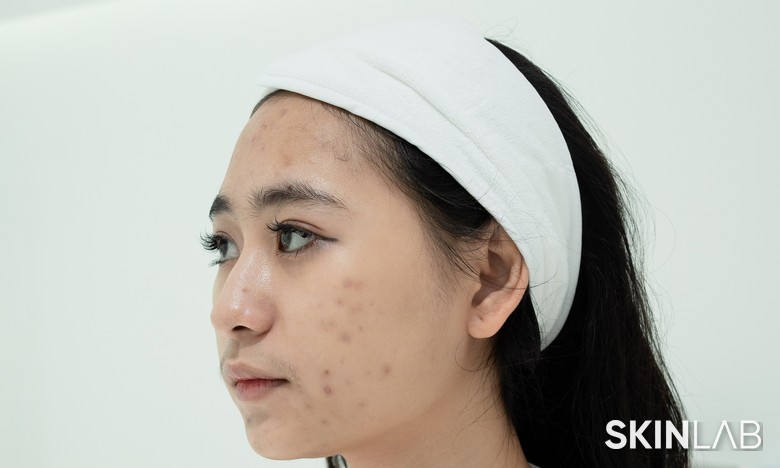
SkinLab’s treatment path by severity
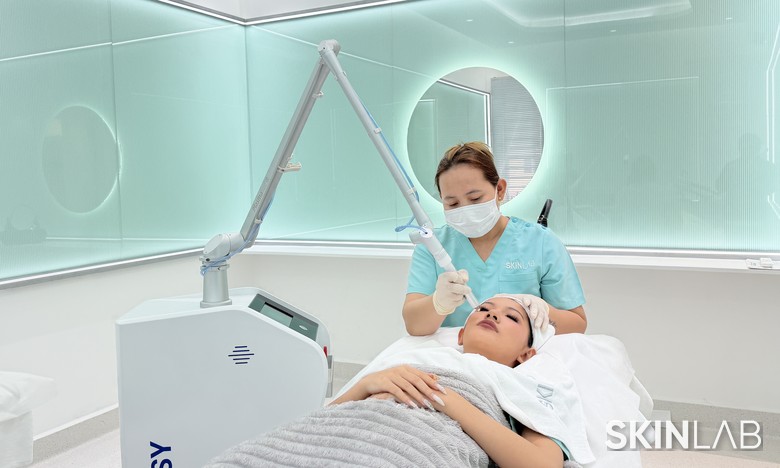
For mild acne, the approach centers on suitable skincare and managing excess oil. For moderate acne, technology-assisted treatment may help reduce inflammation faster. For severe or cystic acne, a medical treatment plan under a dermatologist’s ongoing supervision is needed — not just at-home skincare. Our Acne Care treatment path is built around this exact severity-based approach.
Does teenage hormonal acne go away on its own?
This deserves a direct, honest answer: don’t assume “it’ll clear up once puberty ends.” While some hormonal acne does ease with age, timely intervention manages it better and — most importantly — helps prevent long-term scarring or dark marks on the skin.
Treatment Cost
Treatment cost is built around acne severity (mild, moderate, or severe) after the doctor assesses your skin in person. SkinLab prioritizes fair, transparent pricing for each treatment path, without resorting to “cheapest in town” claims or flash-sale promotions.

Frequently asked questions
Does cystic acne go away on its own, or does it need treatment?
Cystic acne usually doesn’t resolve on its own and carries a high scarring risk without proper intervention – it should be assessed by a dermatologist early.
How long until my skin clears up?
It depends on severity and type – mild acne responds faster, while cystic acne needs a longer-term treatment plan.
How should I care for oily skin in Cambodia’s climate?
Cleanse consistently, manage excess oil in a way suited to hot, humid conditions, and avoid products that add to pore-clogging.
Will I be left with scars after treatment?
With proper treatment and no self-picking, scarring risk drops significantly. If you already have post-acne scars or marks, see our Scars & Post-Acne Marks article.
Identifying your exact acne type in Phnom Penh is what separates an effective treatment plan from months of guessing with the wrong products. Ready to find out which type you’re dealing with? Message SkinLab on Messenger or Telegram for a free skin assessment and guidance on your exact acne type before choosing a treatment.