
Inflammatory acne is a type of acne in which blocked pores become red, swollen and sometimes painful because the skin reacts to bacteria and trapped oil. This guide is for anyone in Phnom Penh who is dealing with red pimples that feel tender. It explains what inflammatory acne is, how to recognise it, what makes it worse, how to care for it gently and when to see a skin specialist.
What Is Inflammatory Acne?
Inflammatory acne starts like any other acne. Oil and dead skin cells block a pore, and bacteria that normally live on the skin multiply inside it. The body responds with inflammation, which is why the area becomes red, warm, swollen and sometimes sore.
Doctors often describe several forms of inflammatory acne. Papules are small, firm, red bumps. Pustules look similar but have a white or yellow tip filled with pus. Nodules are larger, deeper and more painful lumps under the skin. Each form reflects how deep and how strong the reaction is.
Because the skin is reacting, inflammatory acne is more likely than blackheads to leave marks if it is squeezed or irritated. Next, let us look at how to recognise it.
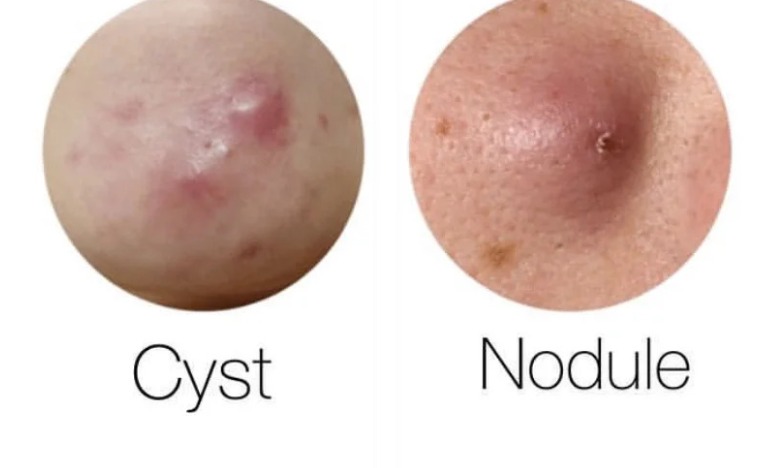
Signs of Inflammatory Acne and How It Differs From Other Acne
Inflammatory acne usually appears as red or pink bumps that feel tender to touch. Some have a white tip, and some stay under the skin without a visible head. The skin around the pimple may look swollen, and the area can feel warm.
Compared with blackheads and whiteheads
Blackheads and whiteheads are non inflammatory, so they are usually flat or slightly raised and not red or painful. Our guide to blackheads and whiteheads explains how clogged pores form. Inflammation can develop when these clogged pores become irritated.
Compared with cystic acne
Cystic acne is a deeper and more severe form, with large, painful lumps that may last for weeks. If you notice this kind of pimple, our guide to cystic acne explains the signs in detail.
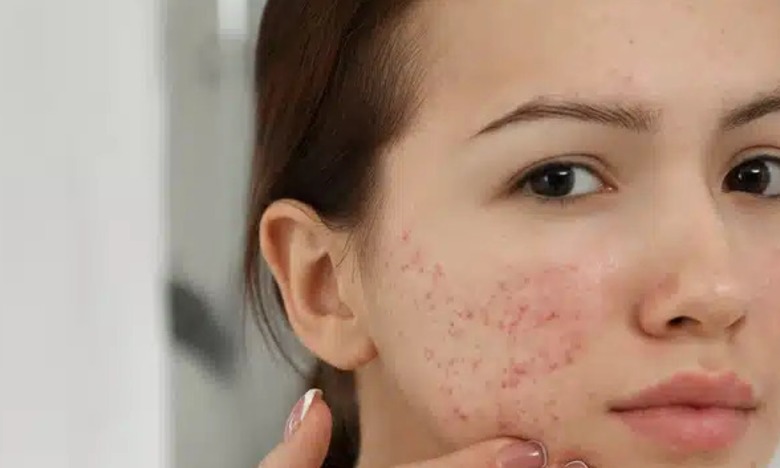
These pimples usually appear on the face, especially the cheeks, chin and jawline, but they can also develop on the back, chest and shoulders. Areas where sweat or friction collects, such as under a helmet strap or a face mask, may flare more often.
What Makes Inflammatory Acne Worse?
Several everyday habits can keep these pimples active. The most common is squeezing or picking, which pushes bacteria and oil deeper, increases swelling and often leaves dark or red marks. Touching the face with unwashed hands has a similar effect.
Heat, sweat and humidity in Phnom Penh also play a role, because they increase oil and can leave sweat and dust on the skin. Hormonal changes, whether during puberty or at other times, can trigger flare ups as well. Stress and lack of sleep may influence the skin, although the effect differs between people.
Finally, harsh scrubbing and strong products used together can irritate skin that is already inflamed. This can slow healing and make the redness last longer, so a gentler approach is usually wiser.
Gentle Home Care for Inflammatory Acne
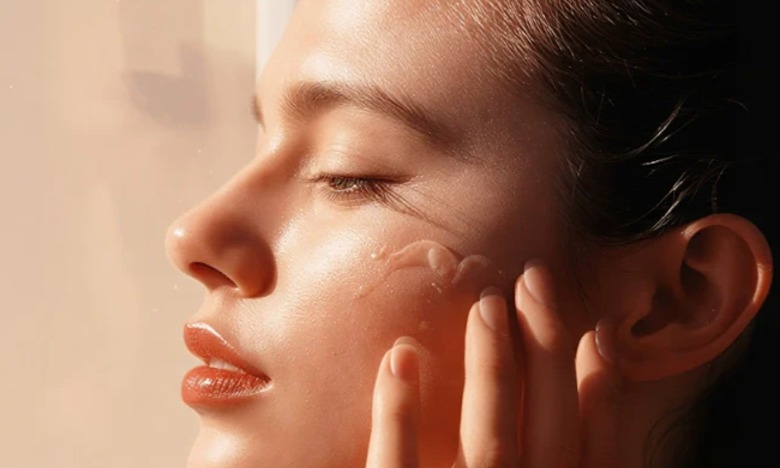
At home, the goal is to keep the skin clean, calm and protected while the inflammation settles. A short routine works better than many products.
Cleanse gently
Wash with a mild cleanser and lukewarm water twice a day and after heavy sweating. Pat dry instead of rubbing.
Moisturize and protect
Use a light moisturizer, because irritated skin needs water even when it looks oily. Apply sunscreen every morning, since sun exposure can darken the marks that follow pimples. Our guide to post acne dark marks explains why this matters.
Do not squeeze
Leave the pimple alone. If you need to cover it, use a light makeup and remove it well at night. Patience is important, because these pimples often take weeks to settle.
Be careful with new products. Introducing several at once makes it hard to know what helps and what irritates. Change one thing at a time and give the skin a few weeks to respond.
When Should You See a Skin Specialist?
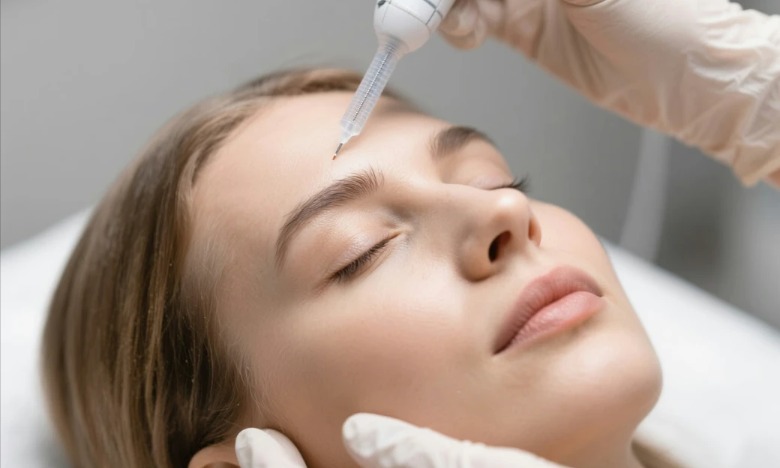
It is worth seeking advice when inflammatory acne is painful, widespread, deep, or does not improve after several weeks of gentle care. It is also wise to ask for help if marks or scars start to appear, or if the acne affects your confidence.
At SkinLab in Phnom Penh, the team begins by identifying the type of acne, because inflammatory, clogged pore, cystic and teenage hormonal acne need different approaches. A plan is then explained in simple terms and kept realistic, since results differ from person to person. You can read our guide to acne treatment for an overview of how this process works.
It helps to bring a list of the products you use and to note when the pimples began, because this helps the specialist understand your skin. Do not worry if your skin looks worse on the day. An assessment is about understanding, not judging.

Frequently Asked Questions About Inflammatory Acne
Is inflammatory acne the same as cystic acne?
No. Cystic acne is a deeper and more severe form. Inflammatory acne is a broader group that includes small red bumps, pustules and deeper nodules.
How long does inflammatory acne last?
It varies. Single pimples may settle in days to weeks, while a flare up can last longer. A skin assessment can help if it keeps coming back.
Can I pop a pimple with a white head?
It is better not to. Popping can spread bacteria, increase swelling and cause marks.
Will inflammatory acne leave scars?
Not always, but squeezing and deep inflammation raise the risk of marks or scars. Early, gentle care helps protect the skin.
Caring for Inflammatory Acne With Patience
Inflammatory acne responds to gentle cleansing, sun protection and, above all, leaving the pimples alone. When it is painful, spreads or leaves marks, a skin assessment can guide the next step.
Message SkinLab on Messenger or Telegram, or call our hotline, and our team will assess your skin and suggest a plan that fits.