
Many people want to prevent acne scars but are not sure where to start. The good news is that a few simple habits can lower the risk of scarring, even though no method can promise to avoid scars completely. This guide explains why scars form, which habits protect your skin, how to care for pimples early and when to ask a skin specialist in Phnom Penh for advice.
Why Do Acne Scars Form?
To prevent acne scars, it helps to understand how they begin. A pimple is a small injury inside the skin. When the injury is deep or stays inflamed for a long time, the body repairs it with new tissue that does not look exactly like the original skin. This repair is what we call a scar.
Several factors raise the risk. Deep, painful pimples are more likely to scar than shallow ones. Squeezing or picking can damage the skin further. Pimples that last for many weeks give inflammation more time to harm the tissue. Family history also plays a part, which is why some people scar easily and others do not.
Knowing this makes the goal clear. We cannot control genes, but we can calm inflammation, avoid extra damage and ask for help early. Our guide to the types of acne scars shows what scars can look like.

Do Not Squeeze or Pick Your Pimples
This is the most important habit if you want to prevent acne scars. Squeezing pushes bacteria and oil deeper into the skin, increases swelling and often breaks the skin, which makes a mark or scar more likely.
It can be hard to resist, especially when a pimple has a white tip. If you cannot leave it completely, at least wash your hands and avoid touching the area during the day. Try to keep the habit from becoming automatic, for example when you are working or watching a screen.
Covering the area with light makeup, removing it well at night and being patient are better choices than picking.
Some people squeeze because they want a pimple to disappear before an event. In reality, the skin usually looks redder and more swollen the next day, and the mark can last for weeks. A calm, hands off approach is the better plan to prevent acne scars.
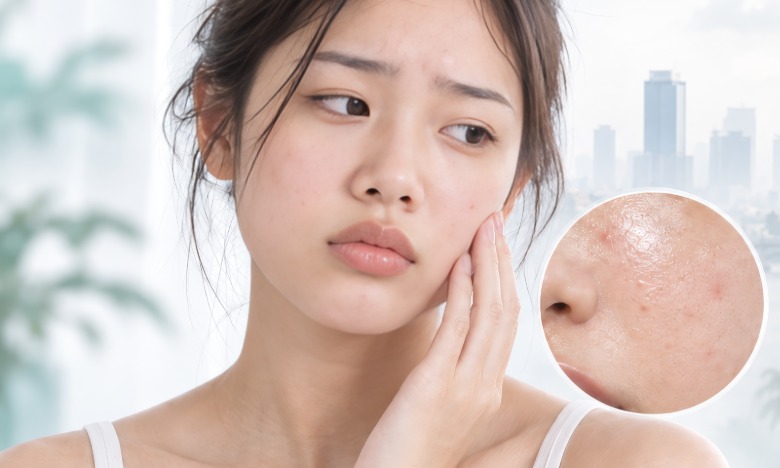
Protect Your Skin From the Sun
Sunlight is strong in Cambodia all year round. Sun exposure can darken the marks that pimples leave behind and can make them last longer. It does not turn a mark into a scar, but dark marks and scars often appear together and make skin texture look more obvious.
Apply sunscreen every morning and again when you spend long hours outdoors. A hat or umbrella adds extra protection. Our guide to post acne dark marks explains why daily protection matters for skin that is healing.
Choose a sunscreen that feels light on your skin, because a product you enjoy wearing is one you will use every day. If a product feels heavy or seems to make your pimples worse, talk to a specialist about other options instead of skipping sun protection altogether.

Care for Pimples Early and Gently
Early, gentle care is another way to prevent acne scars. The longer a red, swollen pimple stays active, the more time inflammation has to affect the skin.
Keep the routine simple
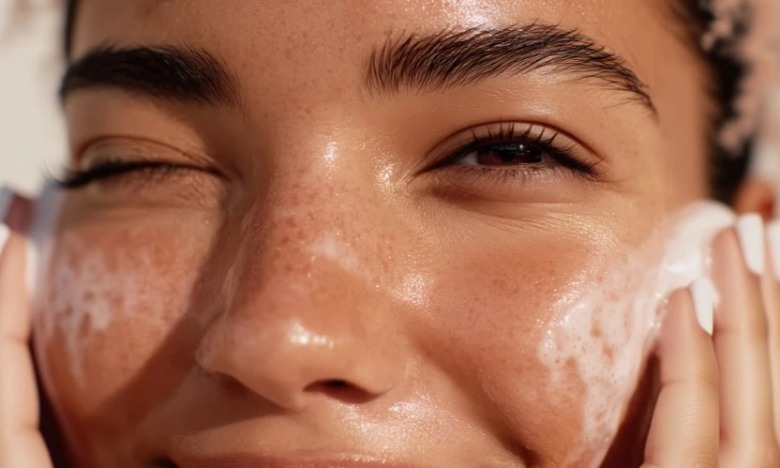
Cleanse twice a day with a mild cleanser, then use a light moisturizer. Avoid scrubbing, because rough handling irritates skin that is already inflamed.
Avoid trying many products
Changing products often or using several strong ones together can irritate the skin and slow healing. Choose a short routine and give it time.
Pay attention to deep pimples
Deep, painful lumps are the ones most likely to scar, so do not wait too long with them. Our guide to inflammatory acne explains how to tell these pimples apart and care for them gently.
Lifestyle also helps. Sleep regularly, drink enough water and change pillowcases often. Keep your phone clean and avoid resting your hand on your cheek. These habits are small, but they reduce irritation on skin that is already trying to heal.
When Should You See a Skin Specialist?
If you want to prevent acne scars, early advice makes a real difference. It is wise to book an assessment when pimples are deep or painful, when they keep coming back in the same place, or when you already notice marks or small pits forming.
At SkinLab in Phnom Penh, the team examines your skin, identifies the type of acne and explains your options in plain language. A plan is kept realistic and gentle, because results differ from person to person. You can read our guide to acne treatment to see how this works.
You do not have to wait until scars appear. A visit can simply be a conversation about your skin, your habits and your concerns. The earlier the team understands your pattern, the easier it is to plan gentle care that protects your skin over time.

Frequently Asked Questions About Preventing Acne Scars
Can I completely prevent acne scars?
No method can promise this. However, not squeezing, protecting from the sun and caring for pimples early can lower the risk.
Does sunscreen prevent acne scars?
Sunscreen does not stop scars from forming, but it helps marks fade evenly and protects healing skin.
Should I wait for acne to go away before seeing a specialist?
You do not need to wait. Early advice is one of the most useful ways to protect your skin.
Are scars more likely if I have oily skin?
Oily skin can have more pimples, which gives more chances for scars to form. Gentle care still matters most.
Small Habits That Prevent Acne Scars
To prevent acne scars, leave your pimples alone, use sunscreen daily and ask for help early. These small habits protect your skin more than any single product.
Message SkinLab on Messenger or Telegram, or call our hotline, and our team will assess your skin and suggest a plan that fits.