
Almost everyone has heard advice about pimples from friends, family or social media. Some of these acne myths are harmless, but others can irritate the skin and even lead to scars. This guide looks at eight common beliefs, explains what is actually true in simple words and shows when it is time to talk to a skin specialist in Phnom Penh.
Why Do Acne Myths Spread So Easily?
Acne is common, visible and emotional. When people want quick answers, they trust stories that sound simple. Advice also passes from parent to child, and social media makes it travel faster.
The problem is that acne has several causes, and they differ from one person to another. A tip that seems to help one friend may do nothing for you, or may even make your skin worse. Learning the facts behind the most common acne myths helps you choose care that is gentle and realistic.
Cultural beliefs also play a role. In many families, acne is blamed on heat, on certain foods or on a person’s habits, and these explanations are repeated for years. They come from a good place, because people want to help, but they are not always accurate.

Myths About Dirt and Washing
Myth 1: Acne is caused by dirty skin
Fact: Acne starts inside the pore, when oil and dead skin cells create a blockage. Dirt on the surface is not the main cause. Washing is important, but washing harder does not clear pimples.
Myth 2: Washing your face many times a day clears acne faster
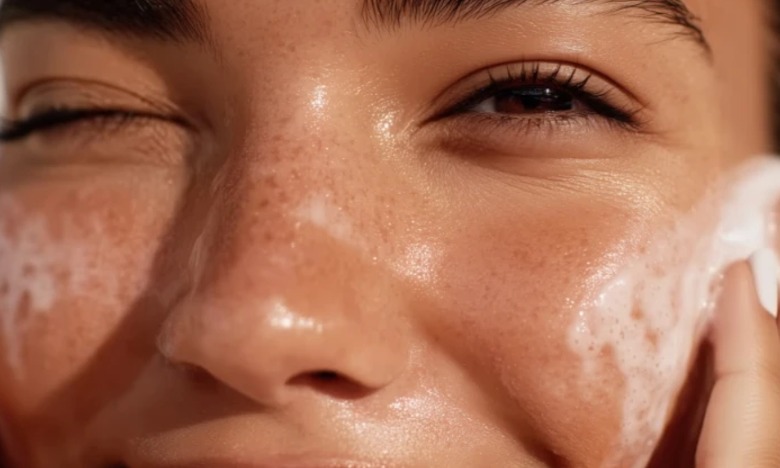
Fact: Too much washing or scrubbing can irritate the skin and make it produce more oil. Two gentle washes a day, and after heavy sweating, are usually enough.
The idea that acne means poor hygiene can also hurt feelings. Many people with pimples wash carefully and still break out, which shows that cleanliness alone does not decide who gets acne. Blaming yourself is unfair and does not help your skin.
Myths About Squeezing and Quick Fixes
Myth 3: Squeezing a pimple makes it go away faster
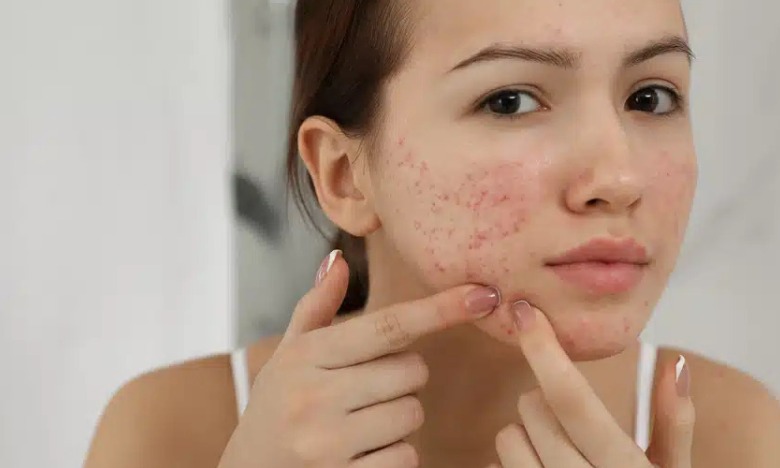
Fact: Squeezing can push bacteria deeper, increase swelling and leave marks or scars. Among all acne myths, this one causes the most avoidable damage. Our guide on how to prevent acne scars explains why leaving pimples alone is so important.
Myth 4: A strong or drying product will fix pimples overnight
Fact: Skin needs time to settle. Harsh products can leave the skin red, tight and sore. Gentle care and patience are more helpful than quick fixes, and any change usually takes weeks, not days.
Quick fixes are tempting before a wedding, a job interview or a photo. If you have an important day coming, the safest plan is to keep your routine simple and ask a specialist early, rather than trying several new things at once.
Myths About Skin Type, Sun and Makeup
Myth 5: Oily skin does not need moisturizer
Fact: Oily skin still needs water. A light moisturizer can help the skin stay balanced. Our guide to oily skin and acne explains this in more detail.
Myth 6: Sun exposure dries out pimples
Fact: Sunlight may make pimples look less red for a while, but it can darken the marks they leave behind. Daily sunscreen is a safer choice.
Myth 7: Makeup always causes acne
Fact: Heavy makeup that is not removed can clog pores, but light makeup that is cleaned off well at night does not have to be a problem.
These three acne myths sound sensible, which is why they last so long. Knowing the facts lets you keep what is useful, such as light moisture, sunscreen and careful cleansing, and drop what only adds irritation.
Myth 8: Only Teenagers Get Acne
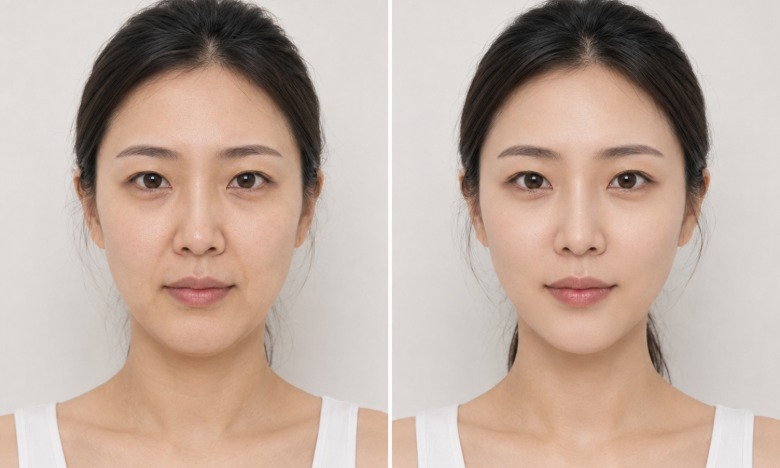
Fact: Acne can begin or continue well into adulthood. Hormonal changes, stress, products and habits can all play a part, so many adults in their twenties, thirties and beyond have pimples. Understanding this takes away a lot of unnecessary shame, because this is one of the acne myths that hurts the most.
It also means that care should match your age and skin. A routine for a sixteen year old may not suit an adult, and the other way around.
When Should You See a Skin Specialist?
Believing acne myths can delay proper care. It is worth asking for advice when pimples are deep or painful, when they leave marks, when they do not improve after several weeks of gentle care or when they affect your confidence.
At SkinLab in Phnom Penh, the team looks at your skin, explains what is happening in plain words and suggests a plan that is kept realistic, because results differ from person to person. You can read our guide to acne treatment to see how a visit works. For red and swollen pimples, our guide to inflammatory acne gives extra detail.
You do not need to arrive with all the answers. It is enough to describe what you have noticed and what you have tried, including any habits based on the acne myths you have heard. The team will listen without judging and help you sort fact from guesswork.

Frequently Asked Questions About Acne Myths
Does chocolate or greasy food cause acne?
Research on food and acne is mixed and results vary between people. If you notice a link in your own skin, it is a good topic to discuss with a specialist.
Is it true that acne goes away after marriage or pregnancy?
No. This is one of the older acne myths. Hormones can influence acne, but there is no rule about when it will end.
Are home remedies safe for pimples?
Many home remedies are not tested, and some can irritate the skin. It is wiser to ask a specialist before trying something new.
How can I find reliable information about acne?
Be careful with sources. Look for gentle, balanced information and avoid promises of quick results.
Choosing Facts Over Acne Myths
Acne myths are easy to believe, but facts lead to better choices. Gentle care, sun protection and patience are a safer path than quick fixes.
Message SkinLab on Messenger or Telegram, or call our hotline, and our team will assess your skin and suggest a plan that fits.