
Adult acne is acne that appears for the first time, or returns, after the teenage years. If you are in your 20s or 30s and still see pimples along your jaw, chin or cheeks, you are far from alone. This guide explains what adult acne is, why it happens, how it differs from teenage acne, how to care for your skin gently and when it is time to see a skin specialist in Phnom Penh.
What Is Adult Acne?
Adult acne is the name given to pimples that develop or continue beyond the age of about twenty. Some people had acne as teenagers and never quite grew out of it. Others had clear skin for years and then suddenly noticed new pimples in their late twenties or thirties.
It can include blackheads, whiteheads, red bumps and sometimes deeper, tender lumps. Adult acne often appears around the lower face, such as the chin and jawline, although it can also show up on the cheeks, forehead, neck and back.
Many adults feel embarrassed because they expect acne to disappear after school. In reality, it is very common, and understanding the reasons behind it is the first step toward calmer skin.
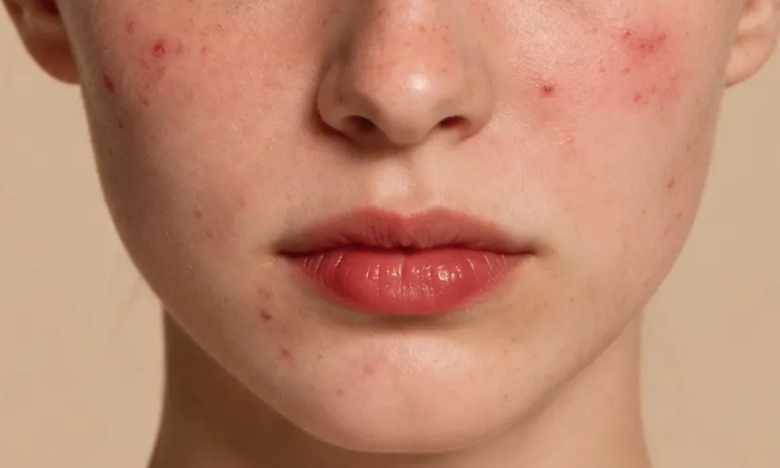
Why Does Adult Acne Appear in Your 20s and 30s?
There is rarely one single cause. Adult acne usually comes from a mix of factors that build up over time, and the mix is different for every person.
Hormonal changes
Hormones influence how much oil the skin makes. Changes around the menstrual cycle, pregnancy or other life stages can make the skin oilier and more prone to breakouts. This is why many people notice pimples at similar times each month.
Stress and lack of sleep
Busy work schedules, long hours and short nights are part of many adult lives. Stress and poor sleep may affect the skin, although the effect varies from person to person.
Products and daily habits
Heavy makeup that is not removed properly, too many products at once and frequent touching of the face can all clog pores. In a hot, humid city like Phnom Penh, sweat, dust and sunscreen can also build up on the skin by evening.

How Is Adult Acne Different From Teenage Acne?
Teenage acne tends to appear on the forehead, nose and cheeks, which is often called the T zone, and is closely linked to puberty. Our guide to hormonal acne in teenagers explains this pattern.
Adult acne is more likely to appear on the lower face. The pimples can be deeper, slower to settle and more likely to leave marks that fade slowly. The skin of an adult may also be drier or more sensitive, so harsh products can cause irritation rather than help.
Because of these differences, an approach that worked at sixteen may not suit your skin today. A gentler routine, matched to your current skin type, usually works better.
Another difference is how people feel about it. Teenagers expect to have pimples, while adults often feel surprised or self-conscious at work and in social settings. These feelings are understandable and worth taking seriously.
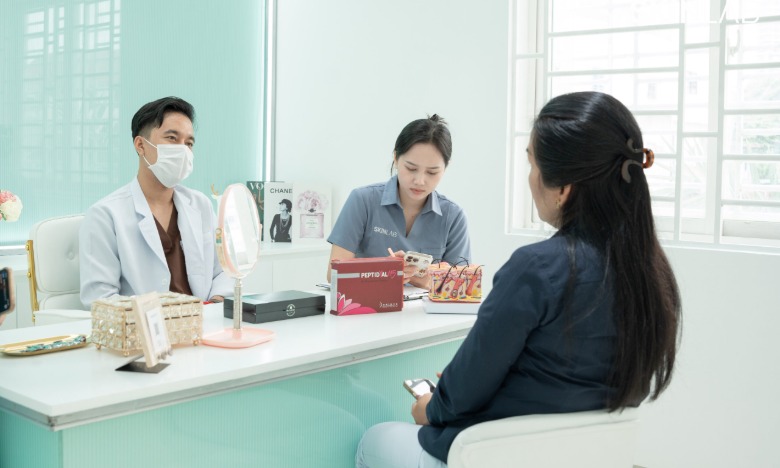
Gentle Daily Care for Adult Acne
Good care for adult acne is simple and consistent. The aim is to keep the skin clean, hydrated and protected without stripping it.
Keep the routine short
Cleanse with a mild cleanser in the morning and evening, then apply a light moisturizer. Adding a new product every week makes it hard to know what is helping.
Protect from the sun
Apply sunscreen every morning. Sun exposure can darken the marks that pimples leave behind, which is why our guide to post acne dark marks recommends daily protection. For more ideas, see our skincare routine for hot and humid weather.
Do not squeeze
Picking at pimples can push bacteria deeper and cause marks. If a pimple is red and sore, read about inflammatory acne for gentle ways to let it settle.
Be kind to your skin in other ways too. Drink enough water, try to sleep regularly and wash pillowcases and phone screens often, since they touch your face for hours. These small habits will not replace proper care, but they remove common irritants.
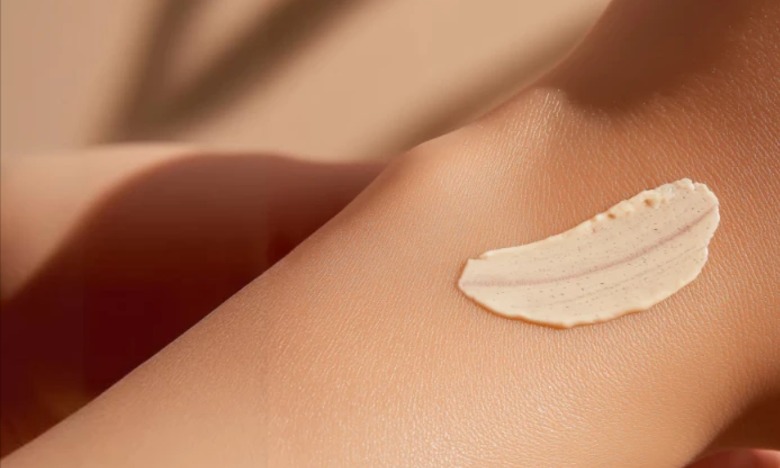
When Should You See a Skin Specialist About Adult Acne?
It is worth seeking advice when pimples keep returning, when they are painful or deep, when marks or scars are appearing, or when acne is affecting your confidence. Adult acne that does not respond to a simple routine often needs a closer look at its cause.
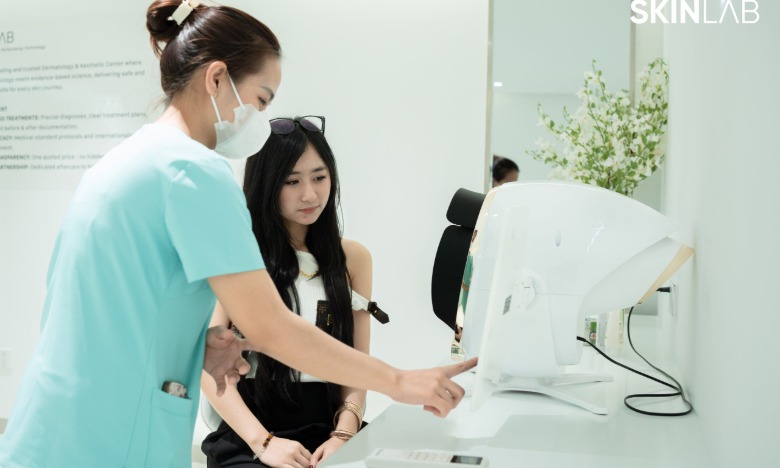
At SkinLab in Phnom Penh, the team examines your skin, asks about your routine and lifestyle, and explains your options in plain language. Any plan is kept realistic, because results differ from person to person. You can read our guide to acne treatment to see how a visit works.
Before your visit, it helps to note when the pimples started, whether they change during the month and which products you use. Bring photos if you like. This history gives the specialist a clearer picture and avoids guesswork, so the advice you receive fits your life rather than a general rule.
Frequently Asked Questions About Adult Acne
Is adult acne normal?
Yes. Many people have pimples in their twenties, thirties and beyond. It is common and nothing to be ashamed of.
Why do I get pimples on my jawline?
The lower face is a common area for adult acne, and hormonal changes are one possible reason. A skin assessment can help you understand your own pattern.
Can I use the same products I used as a teenager?
Not always. Adult skin can be drier or more sensitive, so a gentler routine is often a better fit.
Will adult acne go away on its own?
Sometimes it settles, but it can also continue for years. If it keeps returning, getting advice early helps protect your skin from marks.
Caring for Adult Acne With Patience
Adult acne is common, and it has many possible causes. A short, gentle routine, daily sunscreen and patience go a long way, and a specialist can help when pimples persist.
Message SkinLab on Messenger or Telegram, or call our hotline, and our team will assess your skin and suggest a plan that fits.