
Hormonal acne in teenagers is acne that flares because the body’s hormones change during puberty, and it is one of the most common skin concerns in young people. This guide is for teenagers and parents in Phnom Penh who want to understand what is happening to the skin. It explains the signs, the everyday triggers, a gentle daily routine and the moment when a skin specialist can help.
What Is Hormonal Acne in Teenagers?
Hormonal acne in teenagers starts when puberty raises certain hormones in the body. These hormones tell the skin glands to make more oil, and extra oil mixes with dead skin cells and can block the pores. Once a pore is blocked, bacteria on the skin can multiply and the area may become red, swollen and sore.
This process is normal for many young people, so a teenager is not doing anything wrong when pimples appear. Skin habits can make breakouts better or worse, but they are rarely the only cause. Understanding this helps families approach acne with patience instead of blame.
Hormonal acne can appear at different ages, but it often begins between about 10 and 14 years old and may continue through the late teens. Next, let us look at how to recognise it.
Common Signs of Hormonal Acne in Teenagers
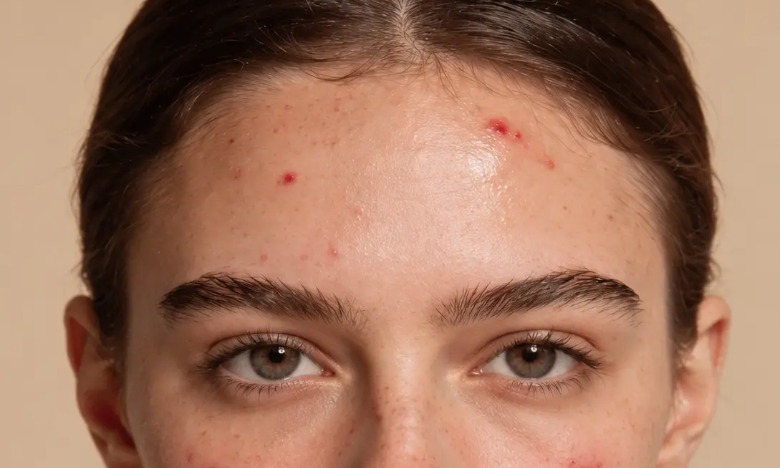
Hormonal acne in teenagers often shows up as a mix of different pimples at the same time. You may see blackheads and whiteheads, small red bumps, and sometimes deeper, painful pimples. The skin may also look shiny because of extra oil, especially on the nose, forehead and chin.
Signs that suggest a hormonal pattern
Breakouts that return around the same time each month, or that appear mostly on the chin and along the jaw, can point to hormonal changes. Teenagers who are going through a growth spurt may also notice that their skin becomes oilier within a few weeks.
Signs that need more attention
Pimples that are very painful, that feel like hard lumps under the skin, or that leave dark marks or small dents are worth showing to a professional. Our guide on cystic acne explains how to recognise these deeper pimples.
Triggers That Can Make Teen Acne Worse
While hormones are the main background cause, some everyday habits can make hormonal acne in teenagers feel worse. Knowing them gives teenagers something practical to change.
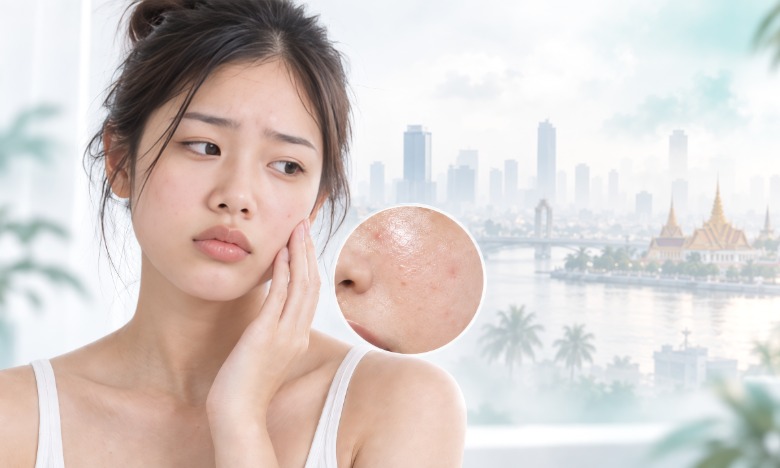
Heat and sweat are a big one in Phnom Penh. Sweat mixed with dust can sit on the skin after school or sports, so rinsing the face after heavy sweating helps. Touching the face, leaning the chin on a hand, or picking pimples spreads bacteria and increases the chance of marks.
Scrubbing hard or washing the face many times a day also backfires, because irritated skin can produce more oil. Using many strong products at once, or heavy creams that block pores, can add to the problem. Finally, poor sleep and stress can influence the skin, although the effect differs from person to person.
A tip that many families find helpful is to keep a short note of when breakouts appear and what happened that week. After a month or two, patterns become easier to see, and a skin specialist can use these notes to give clearer advice.
Gentle Daily Care for Hormonal Acne in Teenagers
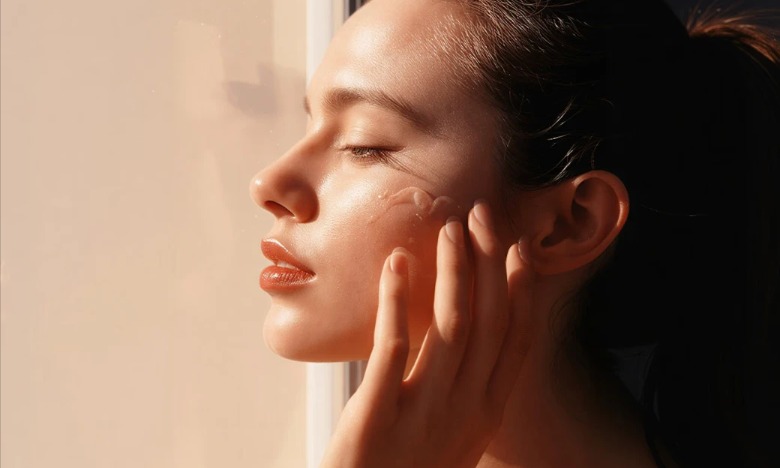
A simple routine for hormonal acne in teenagers is easier to keep and kinder to the skin. The goal is to keep the skin clean and comfortable while the hormones settle, not to dry it out.
Morning
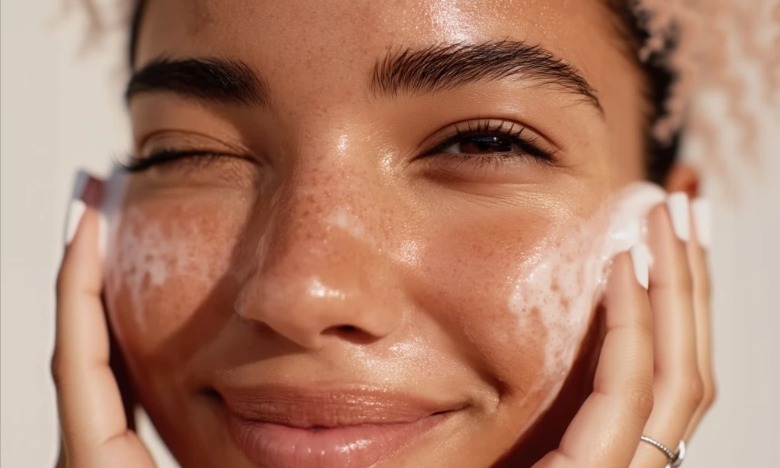
Wash with a gentle cleanser and lukewarm water, apply a light moisturizer, and finish with sunscreen. Sunscreen matters because sun exposure can darken marks left by pimples. Our skincare routine guide for hot and humid climates shows how to adjust these steps.
Evening
Cleanse gently to remove sweat, dust and sunscreen, then apply a light moisturizer. Do not skip moisturizer, even if the skin feels oily.
What to avoid
Avoid scrubbing, squeezing pimples and trying many new products at the same time. Give a routine at least a few weeks before judging it, because skin changes slowly.
When Should a Teenager See a Skin Specialist?
It is worth seeking advice when pimples are painful or deep, when marks or scars begin to appear, when acne does not improve after a steady routine, or when it affects confidence and mood. Early advice can help protect the skin from lasting marks.
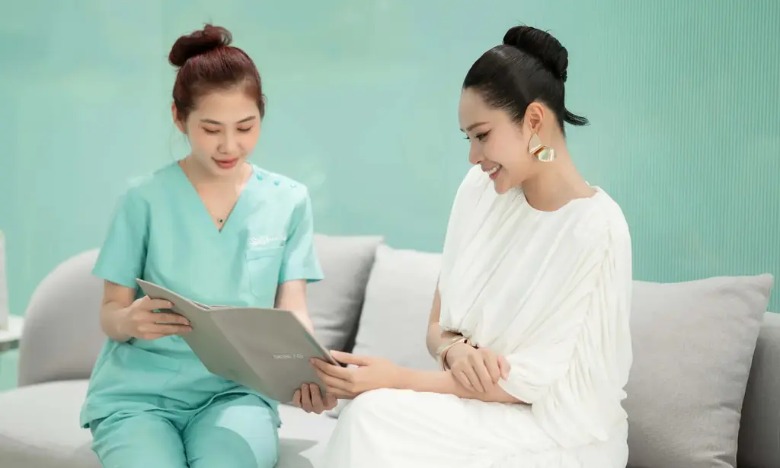
At SkinLab in Phnom Penh, the first step is to identify the acne type, because hormonal, inflammatory, clogged pore and cystic acne need different care. The team then explains a plan in simple terms, and parents are welcome to join the conversation. Results differ from person to person, so the plan stays realistic. You can read our guide on safe acne treatment for teens to see what parents should look for.
Parents often ask how involved they should be. A helpful approach is to listen first, avoid teasing about pimples, and support your teenager in keeping a simple routine and attending appointments. Feeling understood often matters as much as any product.
Frequently Asked Questions About Hormonal Acne in Teenagers
Is hormonal acne normal for teenagers?
Yes. It is very common during puberty and does not mean the skin is dirty.
Will hormonal acne go away on its own?
Hormonal acne in teenagers often improves as hormones settle, although the timing varies and for some people it lasts longer. Deep pimples can leave marks, so it is wise to get advice if the acne is painful or lasting.
Can teenagers use adult skincare products?
It is better to choose gentle products and keep the routine short. Strong products can irritate young skin and may make breakouts worse.
Should I pop pimples?
No. Squeezing can push bacteria deeper, cause swelling and leave marks that last longer than the pimple itself.
Caring for Hormonal Acne in Teenagers With Patience
Hormonal acne in teenagers is a normal part of puberty for many young people, and it improves with a gentle routine, sun protection and patience. When pimples are painful, spread, or leave marks, a skin assessment can show the next step.
Message SkinLab on Messenger or Telegram, or call our hotline, and our team will assess your teenager’s skin and suggest a plan that fits.