
Oily skin and acne often appear together, especially in a warm, humid city like Phnom Penh. Extra oil can block pores and make pimples more likely, but oily skin still needs gentle care and some moisture. This guide explains how oil leads to acne, how the local climate affects your skin, which habits help, which mistakes to avoid and when to see a skin specialist.
How Are Oily Skin and Acne Connected?
Every pore contains a small gland that makes oil, called sebum. Sebum protects the skin, but when the glands make too much, the oil mixes with dead skin cells and can block the pore. A blocked pore is the starting point for blackheads, whiteheads and red pimples.
Oily skin is often shiny, especially on the forehead, nose and chin, and the pores may look larger. It is also common in teenagers and in adults whose hormones change. Oil alone does not cause acne, but it creates the right conditions.
Our guide to blackheads and whiteheads explains how clogged pores develop in more detail.
Oily skin and acne are also linked to age. During puberty, hormones tell the oil glands to work harder, which is why many teenagers notice shine and pimples at the same time. Adults can see the same pattern when their hormones change, so the connection between oily skin and acne is not limited to teenage years.

How Does Phnom Penh Weather Affect Oily Skin?
Heat and humidity make oily skin feel heavier. Sweat, dust and traffic pollution can sit on the surface of the skin during the day, and the oil mixes with them. By the afternoon, many people notice shine and a rough feel on their cheeks and forehead.
Wearing masks or helmets for long hours adds friction and trapped sweat, which can lead to pimples around the chin and jaw. Air conditioning can have the opposite effect, because it dries the surface of the skin while the deeper layers still make oil.
This mix of conditions is why a routine designed for cooler countries may not suit your skin here. Our skincare routine for hot and humid weather gives more ideas.
Rainy season brings its own challenge. High humidity keeps the skin damp for longer, and sweat does not evaporate as quickly. Hot season brings stronger sun and more dust. In both seasons, gentle cleansing at the end of the day helps remove what has built up on the skin.
Gentle Daily Care for Oily Skin and Acne
Many people with oily skin think that stronger is better. In reality, the skin does better with gentle, regular care.
Cleanse twice a day
Wash with a mild cleanser and lukewarm water in the morning and evening, and after heavy sweating. Pat the skin dry instead of rubbing.
Use a light moisturizer
Oily skin still needs water. A light moisturizer helps the skin keep its balance, and skipping it can make the skin produce even more oil.
Protect from the sun
Apply sunscreen every morning. Sun exposure can darken marks left by pimples, and a light texture is usually more comfortable for oily skin.
At night, remove sunscreen and makeup thoroughly before washing your face. Residue left on the skin can block pores overnight. Blotting papers can remove shine during the day, but they should not replace cleansing. Keep your hands away from your face as much as possible.

Common Mistakes With Oily Skin and Acne
The first mistake is washing too often or scrubbing hard to remove oil. This can irritate the skin and make it produce more oil to protect itself. The second mistake is using drying products every day, which leaves the skin tight and uncomfortable.
Another common mistake is squeezing pimples. This can push bacteria deeper and leave dark marks. Finally, changing products every week makes it difficult to know what works. A calm, steady routine is more helpful than constant experiments.
If you notice that your skin feels tight, red or sore after using a product, stop using it and ask a specialist for advice.
A final mistake is judging a routine too quickly. Skin needs several weeks to show how it reacts to a change, so give each step enough time before deciding it does not work.
When Should You See a Skin Specialist?
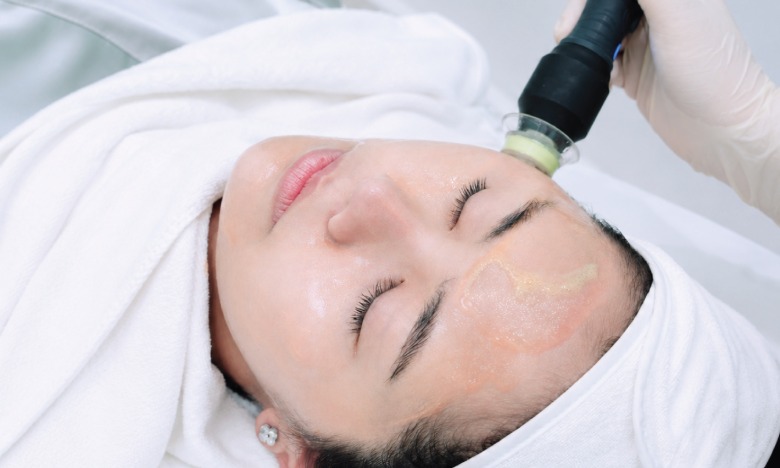
It is worth seeking advice when oily skin and acne do not improve after several weeks of gentle care, when pimples are painful or deep, or when you start to see marks. A specialist can also check whether your skin is truly oily or only oily in certain areas.
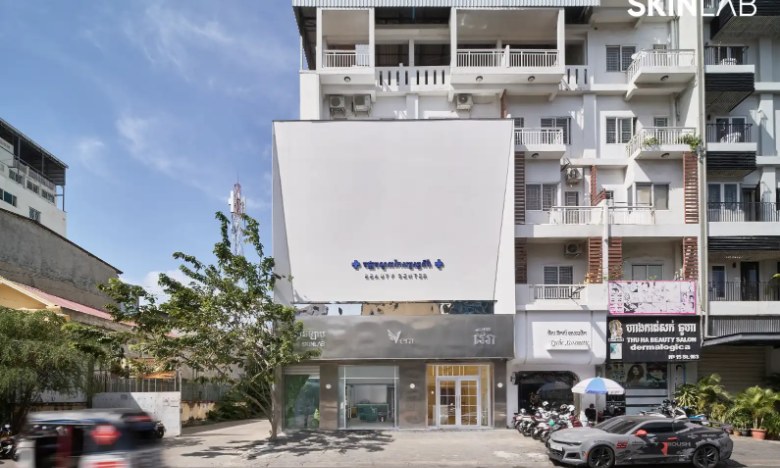
At SkinLab in Phnom Penh, the team looks at your skin type, explains what they see and suggests a plan in plain language. The plan is kept realistic, since results differ from person to person. You can read our guide to acne treatment for an overview of a visit.
It also helps to understand that oily skin and acne can change with the seasons, with your stress levels and with your cycle. Keeping a short note of when your skin looks better or worse gives the specialist useful information, and it helps you notice your own patterns.
Frequently Asked Questions About Oily Skin and Acne
Does oily skin always cause acne?
No. Some people have oily skin and clear skin. Acne depends on several factors, including blocked pores and inflammation.
Should I skip moisturizer if my skin is oily?
No. A light moisturizer helps balance the skin and may reduce the urge for the skin to make extra oil.
Can blotting papers help?
Blotting can remove surface shine during the day, but it does not treat the cause of pimples.
Will oily skin improve with age?
Often the skin becomes less oily over time, but this varies, and acne can continue into adulthood.
Caring for Oily Skin and Acne in Phnom Penh
Oily skin and acne are closely linked, yet gentle care, light moisture and sun protection can keep the skin comfortable. When pimples persist, a skin assessment can guide the next step.
Message SkinLab on Messenger or Telegram, or call our hotline, and our team will assess your skin and suggest a plan that fits.