
Not every mark left by acne is a scar, and not every scar looks the same. Knowing the types of acne scars helps you understand what is on your skin and what kind of care to ask about. This guide explains icepick, boxcar, rolling and raised scars, how to tell scars from dark marks and when it is worth seeing a skin specialist in Phnom Penh.
What Are Acne Scars?
Acne scars form when a pimple damages the deeper layers of the skin and the body repairs the area imperfectly. The result is a change in the texture of the skin, such as a small pit, a dip or a raised bump.
This is different from the flat dark or red spots that remain after a pimple fades. Those spots are marks, not scars, and they often lighten with time and sun protection. Our guide to post acne dark marks explains them in detail.
Scars are more likely after deep, painful or repeatedly squeezed pimples. They develop slowly, and many people only notice them once the redness has gone.
Not everyone who gets acne develops scars. Genetics, how deep the pimple was, how long it lasted and whether it was squeezed all play a part. This is why two people with similar acne can end up with very different skin texture, and why learning about the types of acne scars is useful before deciding what to do.
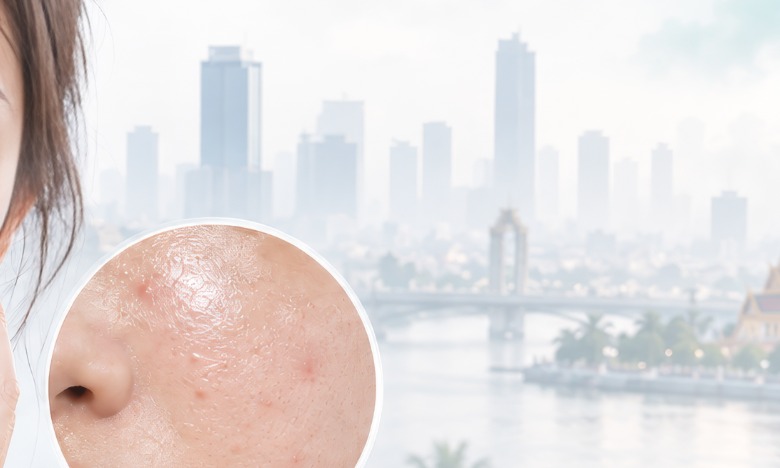
The Main Types of Acne Scars
Skin specialists usually group the types of acne scars by their shape. Looking at the shape helps to describe the scar and to talk about suitable care.
Icepick scars
Icepick scars are the narrowest of the types of acne scars. They are narrow, deep and sharp, like a small hole made by a pointed tool. They are often seen on the cheeks and can look like enlarged pores.
Boxcar scars
Boxcar scars are wider, with a flat base and steep, clear edges. They look like a small square or oval dip in the skin and are common on the cheeks and temples.
Rolling scars
Rolling scars have gently sloping edges that make the skin look uneven or wavy. They appear when bands of tissue under the skin pull the surface downward.
These three shapes are the most common pitted types of acne scars. Their depth and width matter, because a shallow, wide scar and a deep, narrow one behave differently and are described differently by a specialist. Photos taken in soft light from the side often show the shape better than a mirror.
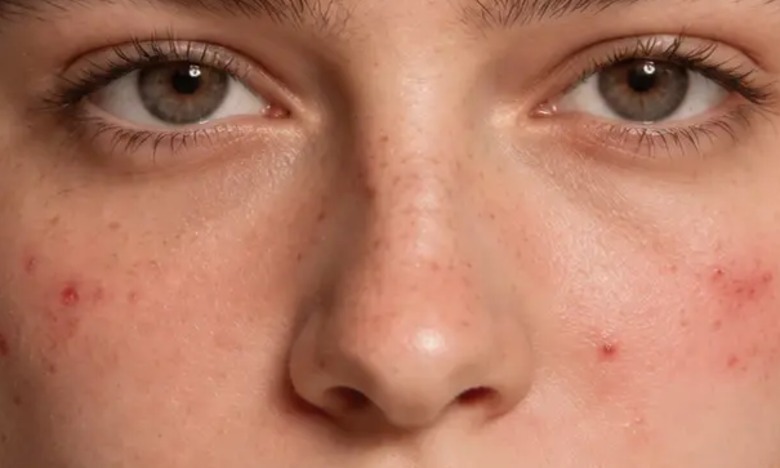
Raised Scars and Other Changes
Some people form raised scars instead of dips. These are firm, thick areas of tissue that rise above the skin, and they appear more often on the chest, shoulders and jawline. They are less common than pitted scars but are worth mentioning, because they need a different kind of attention.
It is also possible to have more than one of the types of acne scars on the same face, so naming the types of acne scars one by one is only a starting point. A person may have a few deep icepick scars on one cheek and shallow rolling scars on the other, so an individual assessment is more useful than a general label.
How Can You Tell a Scar From a Dark Mark?
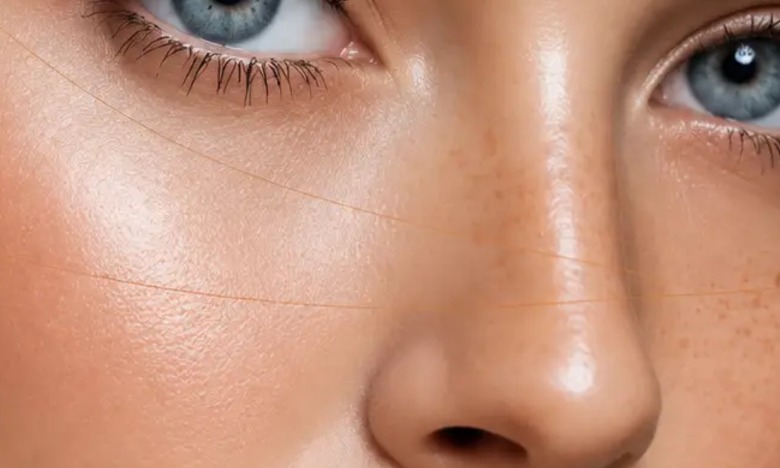
A simple test is to look at the skin from the side. A dark mark is flat and only differs in colour, while a scar changes the surface and creates a dip or a bump. If you stretch the skin gently and the spot disappears, it may be a rolling scar. If the spot stays, it may be a deeper pit.
This matters because marks and scars need different approaches. Marks often improve with sun protection and patience, while scars involve the structure of the skin and usually need a professional assessment.
If you are unsure, a specialist can examine the skin closely. SkinLab explains the difference between marks and scars in its page about acne scar and dark mark care.
Colour can also mislead. A scar may look pink or brown for months after the pimple has healed, which makes it seem like a mark. As the colour settles, the true shape of the scar becomes clearer, so it is wise to wait a little before judging the final result.
When Should You See a Skin Specialist About Acne Scars?
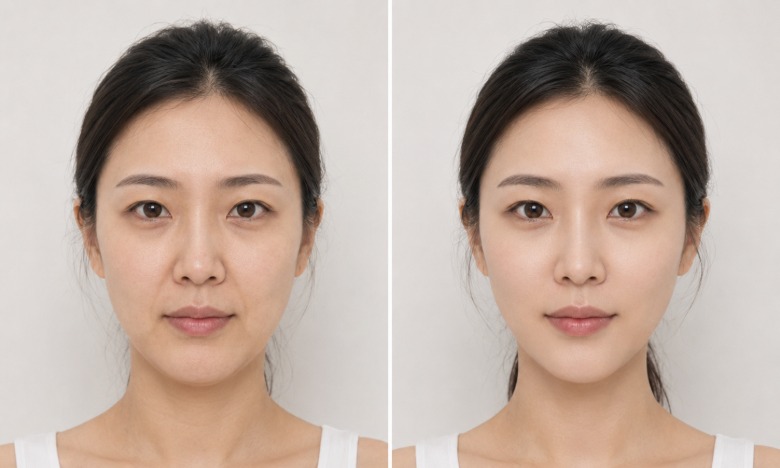
It is worth asking for an assessment when the surface of your skin looks uneven, when the scars bother you, or when you are not sure whether a spot is a mark or a scar. Early advice also helps you avoid habits that make scars worse, such as squeezing new pimples.
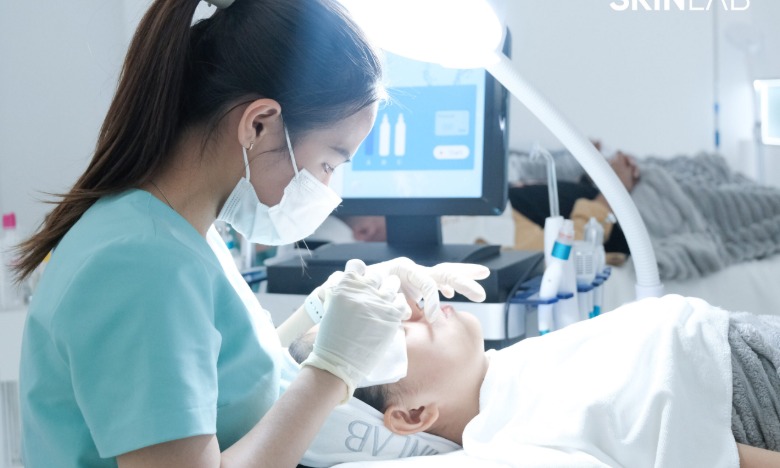
At SkinLab in Phnom Penh, the team examines your skin, identifies the type of scar and explains the options in plain language, including treatments such as Virtue RF. Any plan is kept realistic, because results differ from person to person and scars rarely change overnight.
While you wait for an appointment, avoid picking at your skin, protect it from the sun and keep your routine simple. Rough scrubbing, strong products used together and harsh home methods can irritate the skin and make the types of acne scars you already have look more obvious.
Frequently Asked Questions About Acne Scars
Can acne scars go away on their own?
Shallow marks often fade with time, but true scars usually remain and may need professional care to look smoother.
Which of the types of acne scars is the most common?
Boxcar and rolling scars are common, and many people have a mix. A skin assessment can tell you what you have.
Can I prevent acne scars?
You can lower the risk by treating pimples early and not squeezing them. Our guide to preventing acne scars gives more detail.
Does everyone with acne get scars?
No. Mild acne may heal without scars, but deep pimples and picking raise the risk.
Understanding Your Acne Scars
Knowing the types of acne scars is the first step toward making a sensible decision. Whatever you have, a gentle approach and an honest assessment will help you plan.
Message SkinLab on Messenger or Telegram, or call our hotline, and our team will assess your skin and suggest a plan that fits.