
Blackheads and whiteheads are mild forms of acne that appear when a pore becomes blocked with oil and dead skin cells. This guide is for anyone in Phnom Penh who notices small dark dots or tiny white bumps on the nose, chin or forehead. It explains what blackheads and whiteheads are, why they form, how to care for them gently, and when a skin assessment is useful.
What Are Blackheads and Whiteheads?
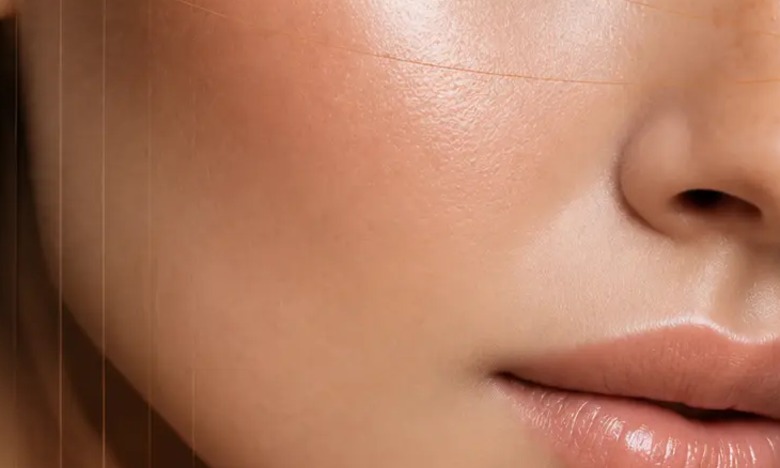
Blackheads and whiteheads belong to a group called clogged pore acne, or comedones. They start in the same way: oil and dead skin cells collect inside a pore and form a plug. The difference is whether the pore stays open or closed.
A blackhead forms when the pore stays open. The plug is exposed to air and turns dark, which is why it looks like a black dot. It is not dirt, so scrubbing harder will not remove it. A whitehead forms when the pore is covered by a thin layer of skin, so the plug stays closed and looks like a small white or skin colored bump.
Both types are usually not painful or red, although they can become inflamed and turn into pimples. They are most common on the nose, chin and forehead, where the skin has more oil glands, but they can appear on the cheeks and back as well. Next, let us look at why they appear.
Why Do Blackheads and Whiteheads Form?
The main cause is extra oil combined with dead skin cells that do not shed evenly. Several everyday factors can add to this process.
Heat, sweat and humidity
In Phnom Penh, warm and humid weather makes the skin oilier, and sweat mixed with dust can sit in the pores. This is one reason many people notice more blackheads and whiteheads in the hot season.
Heavy products and incomplete cleansing
Thick creams, heavy makeup or sunscreen that is not fully removed can contribute to blocked pores. Cleansing carefully in the evening helps prevent build up.
Hormones and genetics
Hormonal changes during puberty, and a family tendency to have oily skin, make blackheads and whiteheads more likely. These factors cannot be controlled, which is why a gentle routine matters more than blame.
Another factor is the skin’s natural shedding. When dead cells build up on the surface, for example because the skin is dry or irritated, they are more likely to fall into the pore and add to the plug.
Common Mistakes With Blackheads and Whiteheads
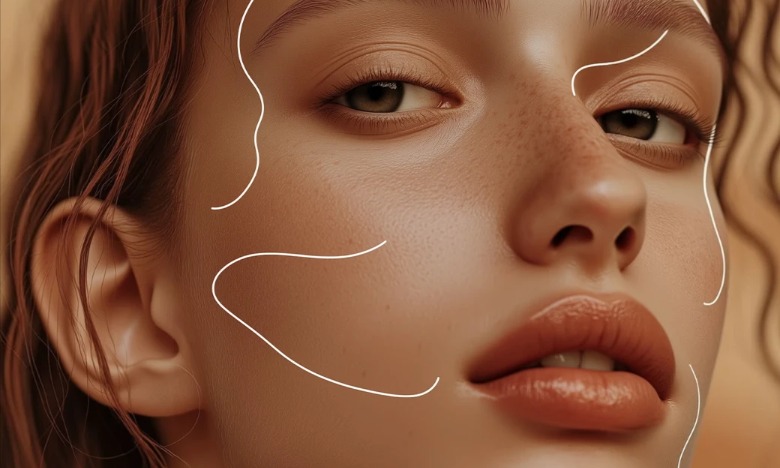
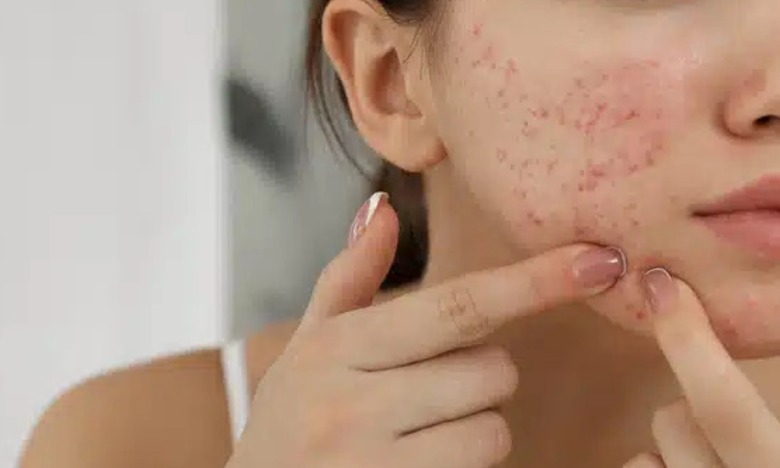
Many people try to remove blackheads and whiteheads at home, and this is where problems often begin. Squeezing can push the plug deeper, irritate the surrounding skin and leave red or dark marks that last longer than the original bump.
Scrubbing hard, using rough tools or washing the face many times a day can damage the skin barrier. Irritated skin may produce more oil, so the problem can return quickly. Using many new products at once is another common mistake, because it becomes hard to know what helps and what irritates. Pore strips and rough masks may feel satisfying, but they can irritate sensitive skin if used often.
A calmer approach protects the skin, and it also avoids the marks that many people later try to treat. Our guide to acne treatment explains how different acne types need different care.
Gentle Daily Care for Blackheads and Whiteheads
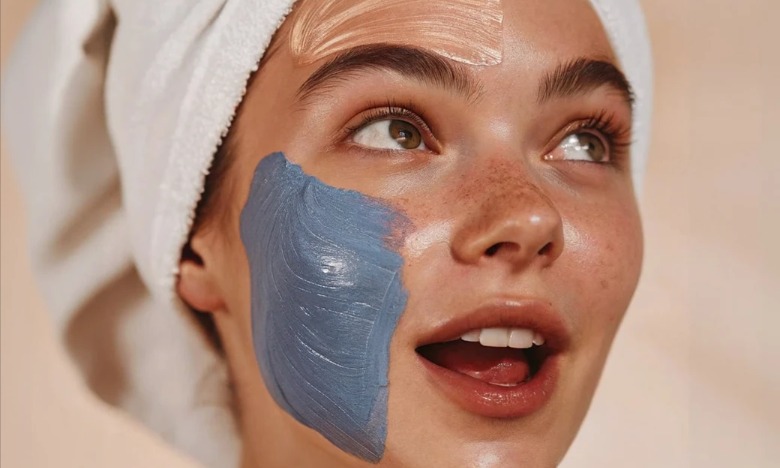
A simple routine is the foundation of managing blackheads and whiteheads. Consistency matters more than strong products.
Give any routine a few weeks before judging it. The skin renews itself slowly, so small improvements appear gradually, and changing products every few days only adds irritation.
Cleanse twice a day
Wash with a gentle cleanser and lukewarm water in the morning and evening, and rinse the face after heavy sweating. Pat the skin dry.
Moisturize lightly
Choose a light moisturizer, even for oily skin. Dry or irritated skin can make blackheads and whiteheads look worse.
Protect from the sun
Apply sunscreen every morning and cleanse well at night to remove it, especially after a long day outdoors. Our skincare routine guide for hot and humid climates shows how to adjust these steps for the weather.
When Should You Get a Skin Assessment?
Blackheads and whiteheads are common and often manageable with gentle care. It is worth seeking advice if they are widespread, keep returning, turn into red or painful pimples, or leave marks after you have tried a steady routine for several weeks.
At SkinLab in Phnom Penh, the team begins by identifying the acne type, because clogged pore acne, inflammatory acne and cystic acne need different care. The plan is explained in simple terms and kept realistic, since results differ from person to person. If you want to understand your skin first, read our guide to skin consultation.
It helps to bring a short list of what you use on your skin, and notes about when the bumps appear. This gives the team a clearer picture and keeps the advice personal rather than generic.

Frequently Asked Questions About Blackheads and Whiteheads
Are blackheads dirt?
No. The dark color comes from the plug reacting with air, not from dirt, so washing harder will not help.
Can I squeeze blackheads and whiteheads at home?
It is better not to. Squeezing can cause irritation and marks. A skin specialist can advise a safer approach.
Do blackheads and whiteheads go away on their own?
They can come and go. A gentle routine helps, but they often return if the underlying oil and pore blockage continue.
Can sunscreen cause blackheads and whiteheads?
Heavy products can contribute if they are not removed well. Choose a light texture and cleanse carefully at night.
Caring for Blackheads and Whiteheads Calmly
Blackheads and whiteheads are common, harmless in most cases and respond to patience, gentle cleansing and sun protection. Avoid squeezing, and seek a skin assessment when they spread, become painful or leave marks.
Message SkinLab on Messenger or Telegram, or call our hotline, and our team will look at your skin and suggest suitable care.