
Skincare for teenagers should be simple, gentle and consistent, because young skin is changing and does not need a long list of products. This guide is for teenagers and parents in Phnom Penh who want to start a healthy routine. It explains what teen skin needs, a basic three step routine, how to adjust it by skin type, and which mistakes are worth avoiding.
What Does Teen Skin Need?
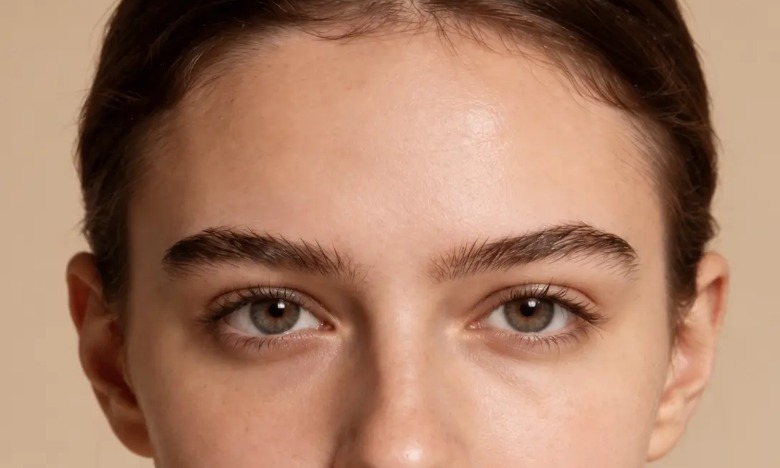
Teen skin is going through change. During puberty the skin makes more oil, pores can look larger, and breakouts become more likely. At the same time the skin still needs water, protection from the sun and a calm environment to stay comfortable.
This means skincare for teenagers has two main jobs. The first is to keep the skin clean without stripping it. The second is to protect it, mostly from the sun, because sun exposure can darken marks left by pimples. Everything else is optional.
It also helps to remember that skincare for teenagers is not about perfect skin. Even with a good routine, a few pimples are normal, and the aim is healthy, comfortable skin rather than a flawless surface.
Starting a routine early also builds a useful habit. Teenagers who learn gentle care now are less likely to use harsh methods later. Good skincare for teenagers also respects daily life: school hours, sport, heat and limited time in the morning. A routine that takes only a few minutes is far more likely to be repeated every day.
Next, let us look at the routine itself.
A Simple Three Step Routine for Teenagers
A routine does not need to be complicated to work. Three steps are enough for most teenagers, with one extra step at night.
Step 1: Cleanse gently
Wash the face with a mild cleanser and lukewarm water in the morning and again in the evening. Pat dry with a clean towel instead of rubbing.
Step 2: Moisturize lightly
Choose a light moisturizer, even if the skin feels oily. Oily skin can still lack water, and a good moisturizer helps keep it balanced.
Step 3: Protect from the sun
Apply sunscreen every morning as the last step, including on cloudy days. Reapply if you spend long hours outdoors. In the evening, cleanse a little more carefully to remove sunscreen and sweat.
Adjusting Skincare for Teenagers by Skin Type
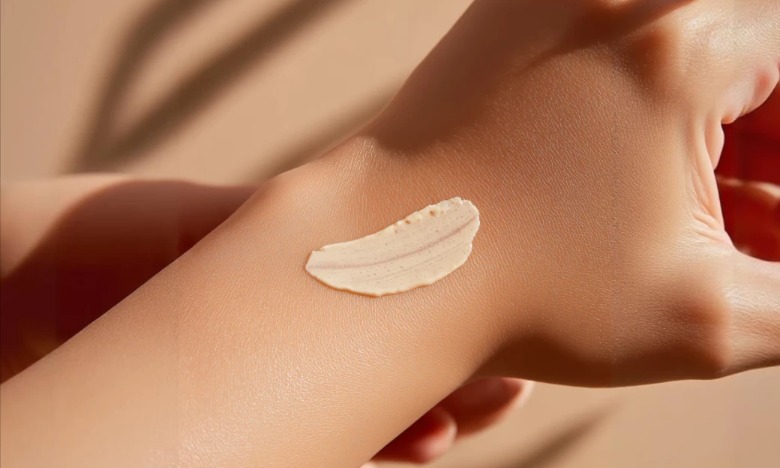
The steps stay the same, but the feel of the products can change with the skin type. If you are not sure of your skin type, a skin assessment can help.
Oily and acne prone skin
Look for light, oil free textures and avoid scrubbing hard. If breakouts are frequent or painful, read our guide on hormonal acne in teenagers to understand what may be happening.
Combination skin
Use the same gentle routine, and add a little more moisturizer on the drier areas such as the cheeks.
Dry or sensitive skin
Choose fragrance free, gentle textures and avoid hot water. If a product stings or turns the skin red, stop using it.

Common Skincare Mistakes Teenagers Make
Many problems come from doing too much rather than too little. Using five or six new products at once makes it hard to know what helps and what irritates. Scrubbing hard, or washing the face many times a day, can damage the skin barrier and may increase oil.
Copying a routine from social media is another trap. A long routine that suits one person may not suit another, and it can be expensive. Skipping sunscreen is also common, but it is one of the most useful steps. Finally, squeezing pimples can leave marks that last much longer than the pimple itself.
A useful rule is to change only one thing at a time and wait at least two to four weeks. Skincare for teenagers works slowly, and quick changes make it hard to see what is helping.
If you are unsure, return to the basics: cleanse, moisturize and protect. Our skincare routine guide for hot and humid climates explains how to adjust these steps for the weather in Phnom Penh.

How Parents Can Support Healthy Skincare for Teenagers
Parents can help by keeping things calm and practical. Listen to your teenager’s concerns without teasing, help them choose a short routine, and set a budget so that they do not feel pressure to buy many products. Try one new product at a time, so that any irritation is easy to trace.
It also helps to show that skincare for teenagers can be a calm, shared habit, for example by keeping products in a visible place and checking in once in a while without nagging.
If breakouts are painful, spreading or leaving marks, or if your teenager feels unhappy about their skin, it is reasonable to seek advice. At SkinLab in Phnom Penh, the team starts with a skin assessment and explains a plan in simple terms, and parents are welcome to join. Our guide to safe acne treatment for teens explains what parents should look for.

Frequently Asked Questions About Skincare for Teenagers
At what age should teenagers start a skincare routine?
A basic routine of cleansing and sun protection can start whenever the skin begins to change, often around the early teens.
Do teenagers need serums or special treatments?
Most teenagers do not need them. A cleanser, moisturizer and sunscreen cover the basics.
Is it normal for teen skin to break out even with a good routine?
Yes. Hormonal changes can cause breakouts even when skincare for teenagers is gentle and consistent. If pimples keep coming back or become painful, a skin assessment can help.
When should a teenager see a skin specialist?
When pimples are painful or deep, when marks appear, or when there is no improvement after a steady routine.
Keeping Skincare for Teenagers Simple
Skincare for teenagers works well when it is gentle, consistent and short: cleanse, moisturize and protect from the sun. When problems go beyond what a routine can handle, a skin assessment can show the next step.
Message SkinLab on Messenger or Telegram, or call our hotline, and our team will look at your skin and suggest a routine that fits.