
Cystic acne treatment in Cambodia starts with understanding what these pimples are: deep, painful lumps under the skin that rarely have a head and often leave marks if they are squeezed. They affect teenagers and adults, and Cambodia’s heat and humidity can make oily skin more prone to them. At SkinLab in Phnom Penh, a doctor first assesses your skin, then recommends a plan that fits the severity, because cystic acne needs a different approach from a few small pimples.
What Is Cystic Acne and How Does It Differ From Ordinary Pimples?
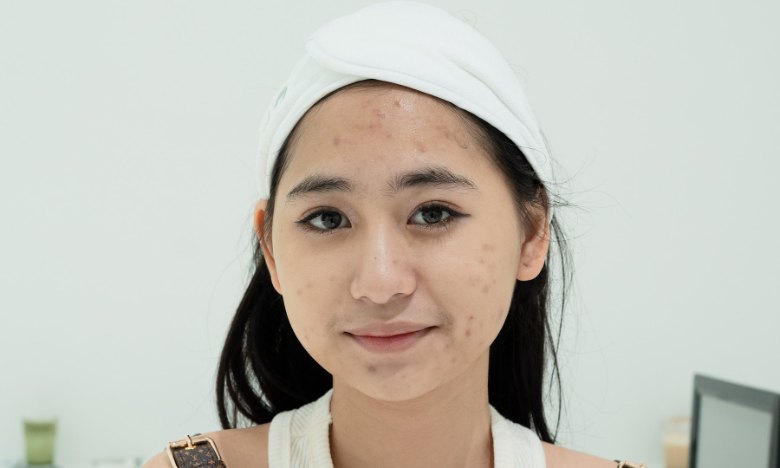
Cystic acne is a severe form of inflammatory acne. The pimple forms deep under the skin when a blocked pore becomes badly inflamed, so it feels like a hard, painful lump instead of a small bump with a white head. Ordinary pimples stay near the surface and usually settle within days, while a cystic pimple can stay for weeks and leave a mark behind.
Knowing the difference matters, because cystic acne treatment in Cambodia needs a more careful plan than a quick spot treatment. The signs below will help you recognize it.
Common Signs of Cystic Acne
Check whether your pimples show these features:
- Large red or purple lumps that sit deep under the skin
- Pain or tenderness, even when you do not touch them
- No clear head that can be squeezed
- Swelling that lasts for many days or weeks
Where Cystic Acne Usually Appears
It often appears along the jawline, chin and cheeks, and sometimes on the back or chest. Repeated breakouts in the same place can be a hint that deeper inflammation is present.
Why Is Cystic Acne So Common in Cambodia’s Hot and Humid Climate?
Heat and humidity make the skin produce more oil, and sweat mixes with dust and city pollution on the surface. This combination can block pores more easily, and a blocked pore is where deep inflammation starts. Daily habits in Phnom Penh can add to the problem, such as wearing a helmet or mask for long hours, touching the face often or going to bed without cleansing.
None of these factors alone causes cystic acne, but together they can push oily or acne-prone skin toward deeper breakouts. This is why advice written for cooler countries does not always fit skin here. Hormones also play a large part, especially in young people, which leads us to the next question.
Hormonal Acne in Teenagers: Is It the Same as Cystic Acne?
Not exactly. Hormonal acne is described by its cause, while cystic acne is described by its depth. During puberty, hormones make the oil glands more active, so many teenagers develop hormonal acne. In some teenagers, and in some adults, this acne becomes deep and cystic.
Because the cause is hormonal, new pimples may keep appearing even when the skin is cleansed well. This does not mean you are doing something wrong. It means the skin needs an assessment, so the plan can treat the existing lumps and also the tendency to break out. Parents who want a safe approach for their children can read our guide to safe acne care for teenagers.

Why You Should Never Squeeze a Cystic Pimple
It is tempting to squeeze a painful lump, but a cystic pimple has no head to release. Pressing on it pushes the inflammation deeper and wider, and the skin may stay red for much longer. Squeezing can lead to three common problems:
- The inflammation can spread to nearby pores and create new pimples
- The skin structure can be damaged, which raises the risk of pitted scars
- Dark or red marks can stay for months after the pimple has healed
If a mark or a scar has already formed, the next steps depend on its type. We explain them in our guides to post-acne dark marks and to acne scar treatment.
How Cystic Acne Treatment Works at SkinLab
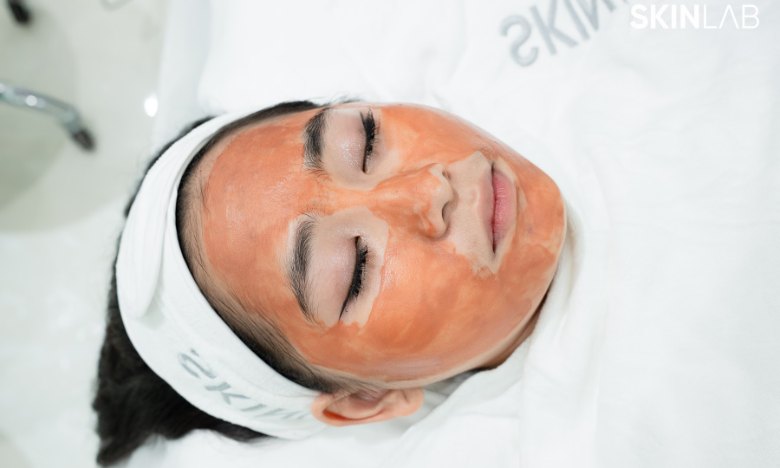
At SkinLab in Phnom Penh, treatment begins with understanding your skin, not with a fixed package. The doctor looks at the severity, the type of lesions and how your skin reacts, then builds a plan around you. The usual path has six steps.
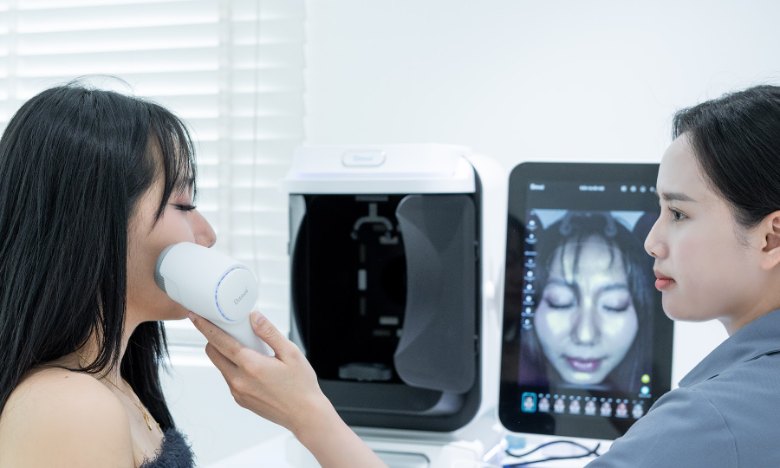
- Skin assessment: the doctor reviews your acne type, history and daily routine, supported by a skin analysis when needed.
- Severity grading: the plan differs for mild, moderate and severe cystic acne.
- Gentle daily care: a simple routine controls oil without irritating inflamed skin.
- Supportive treatment: technology or in-clinic procedures may be added to calm inflammation, depending on your skin.
- Medical care for severe cases: when acne is deep and widespread, the doctor may recommend medication as part of the plan.
- Follow-up: your progress is reviewed so the plan can be adjusted.
Results vary from person to person, and no clinic can promise that acne will disappear completely. A realistic cystic acne treatment plan aims to calm inflammation, reduce new breakouts and lower the risk of scars.
Daily Skin Care While You Have Cystic Acne
While your plan is in progress, small daily habits protect your skin:
- Wash your face gently twice a day with a mild cleanser
- Use a light, oil-free moisturizer, even if your skin feels oily
- Apply sunscreen every morning, because sun exposure can darken marks
- Avoid harsh scrubs and strong products that irritate inflamed skin
- Keep your hands and phone away from your face
A full routine for hot and humid weather is explained in our guide to skincare in Phnom Penh’s climate.
Frequently Asked Questions About Cystic Acne Treatment
Does cystic acne go away on its own?
Sometimes the lumps fade slowly, but new ones often appear and scars can form. An assessment helps you avoid waiting while the skin is being damaged.
Can cystic acne leave scars?
Yes. Because the inflammation is deep, it can damage the structure of the skin. Not squeezing the lumps and starting care early lower this risk.
How long until I see improvement?
It depends on the severity, your hormones and how consistently you follow the plan. Most plans need several weeks, and the doctor will explain what to expect for your skin.
Can I buy medicine at a pharmacy and treat it myself?
We do not recommend this for cystic acne. Strong products used without guidance can irritate the skin and delay proper care. A doctor can advise what is safe for you.
Conclusion
Cystic acne treatment in Cambodia works best when it starts early, avoids squeezing and follows a plan built for your skin and the local climate. Deep pimples are a medical skin concern, not a matter of cleansing harder, and a doctor’s assessment is the clearest first step.
Message SkinLab on Messenger or Telegram, or call our hotline, and our doctor will assess your skin and suggest a cystic acne treatment plan that suits you.